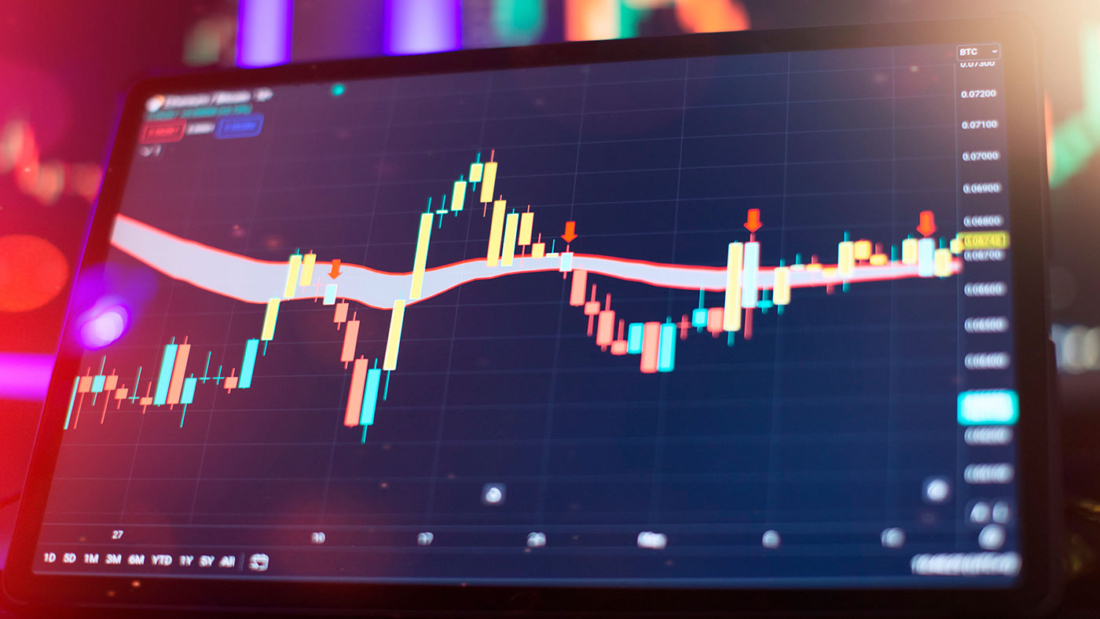
Parabolic-SAR-Indicator-Evaluating-Trend-Reversals-In-Real-Time

Parabolic SAR Indicator: Evaluating Trend Reversals In Real Time

In the ever-evolving world of stock market trading, technical indicators play a crucial role in helping traders make informed decisions. One such indicator that has gained popularity among traders is the Parabolic Stop and Reverse (SAR) indicator. 

Developed by Welles Wilder, the Parabolic SAR is a versatile tool that can provide valuable insights into potential trend reversals and entry/exit points. In this article, we will explore how traders use the Parabolic SAR indicator to enhance their stock market trading strategies.

Understanding the Parabolic SAR Indicator

The Parabolic SAR is a trend-following indicator designed to identify potential reversals in price direction. It is based on two primary components:

  • Dots (SAR):The Parabolic SAR plots dots above or below the price chart, indicating potential trend changes. If the dots are below the price, it suggests an uptrend, while dots above the price suggest a downtrend.
  • Acceleration Factor (AF):The AF is a value that starts small and increases each time a new extreme point (highest high or lowest low) is reached. The AF accelerates the distance between the dots and the price as the trend persists.

Using the Parabolic SAR As An Active Trader

  • Trend Identification:One of the primary uses of the Parabolic SAR is to identify the direction of the prevailing trend. When the dots are below the price, it suggests an uptrend, and when the dots are above the price, it suggests a downtrend. Traders often use this information to align their trades with the dominant trend.
  • Reversal Signals:The Parabolic SAR is particularly effective in signaling potential trend reversals. When the dots switch from being below the price to above it, or vice versa, it indicates a reversal may be in progress. Traders use these reversal signals to adjust their positions or consider taking the opposite side of their trades.
  • Setting Stop-Loss Orders:Traders frequently use the Parabolic SAR to set stop-loss orders. In an uptrend, a stop-loss can be placed just below the most recent SAR dot. Conversely, in a downtrend, a stop-loss can be placed just above the most recent SAR dot. This technique helps traders manage risk and protect profits.
  • Trailing Stops: The Parabolic SAR is also useful for implementing trailing stop strategies. As the trend continues, the dots move further away from the price, locking in potential profits. Traders may adjust their stop-loss orders to follow the SAR dots as the trend develops.
  • Combining with Other Indicators: To increase the accuracy of their trading decisions, traders often combine the Parabolic SAR with other technical indicators like moving averages or oscillators. For example, a trader may look for a Parabolic SAR reversal signal that aligns with a moving average crossover.
  • Timeframe Considerations: The effectiveness of the Parabolic SAR can vary depending on the timeframe used. Shorter timeframes may generate more frequent signals but may also be more prone to false signals. Longer timeframes can provide more reliable signals but may result in late entries or exits.

The Parabolic SAR indicator is a valuable tool for active traders seeking to identify potential trend reversals and optimize their trading strategies. By providing clear signals for trend direction, reversal points, and stop-loss placement, the Parabolic SAR helps traders make informed and disciplined trading decisions.

However, like any technical indicator, the Parabolic SAR is most effective when used in conjunction with proper risk management and a well-defined trading plan. Traders must understand that no single indicator can guarantee success in the stock market, and success comes from a combination of skill, experience, and the ability to adapt to changing market conditions. With practice and a solid understanding of how the Parabolic SAR works, traders can navigate the complexities of stock market trading with greater confidence and precision.

Leveraging-The-On-Balance-Volume-(OBV)-Indicator-To-Extend-Active-Trader-Performance

Leveraging The On Balance Volume (OBV) Indicator To Extend Active Trader Performance

Active trading is a high-speed endeavor where traders make rapid decisions to capitalize on short-term price movements. To achieve success in this dynamic field, traders often rely on a range of technical indicators, one of which is the On Balance Volume (OBV) indicator. 

Developed by Joseph Granville, the OBV indicator helps traders gauge the strength of price trends and identify potential reversal points. In this article, we will explore how day traders can effectively use the OBV indicator to enhance their trading strategies.

Understanding the On Balance Volume (OBV) Indicator

The On Balance Volume (OBV) indicator is a momentum oscillator that uses volume data to assess the flow of money into or out of an asset. It operates on a simple principle: when an asset’s price closes higher than the previous day’s close, the day’s volume is added to the OBV; when the price closes lower, the volume is subtracted from the OBV. If the price closes unchanged, the OBV remains the same.

Key features of the OBV indicator:

  • Accumulation and Distribution:The OBV indicator provides insights into whether a particular asset is experiencing accumulation (buying pressure) or distribution (selling pressure).
  • Confirmation of Trends:It is often used to confirm the strength of price trends. Rising OBV during an uptrend signals strong buying pressure, while falling OBV during a downtrend suggests robust selling pressure.
  • Divergence:OBV divergence, when the indicator’s direction differs from that of the price, can signal potential trend reversals.

Using the OBV Indicator in Day Trading

  • Confirming Price Trends: One of the primary uses of the OBV indicator in day trading is to confirm the strength of price trends. When the OBV is rising along with the price, it suggests that the trend is strong and likely to continue. Conversely, if the OBV is falling while the price is rising, it may indicate weakening momentum and the potential for a trend reversal.
  • Identifying Divergence:Divergence between the OBV and price action can provide valuable signals for day traders. Bullish divergence occurs when the OBV is making higher lows while the price is making lower lows, indicating potential upward momentum. Bearish divergence, on the other hand, occurs when the OBV is making lower highs while the price is making higher highs, suggesting potential downward pressure.
  • Breakout Confirmation:Day traders often use the OBV to confirm breakouts from key support or resistance levels. If the OBV confirms the breakout by moving in the same direction as the price, it can provide additional confidence in the trade setup.
  • Volume-Based Strategies: Some day traders use the OBV as the primary indicator for their trading strategies. For example, a trader may initiate a long position if the OBV is rising consistently and then exit the trade when the OBV starts to decline, indicating a potential reversal.
  • Entry and Exit Signals:The OBV indicator can provide entry and exit signals in day trading. For instance, traders may consider entering a long position when the OBV crosses above a moving average (e.g., the 20-period exponential moving average) and exit when it crosses below.
  • Risk Management:Effective risk management is crucial in day trading. Traders often use the OBV to set stop-loss orders, placing them slightly below key OBV support levels in long trades and above key resistance levels in short trades.

The On Balance Volume (OBV) indicator is a powerful tool that day traders can use to enhance their trading strategies. By providing insights into trend strength, identifying potential reversals, and confirming breakout points, the OBV helps traders make informed and timely decisions.

However, it is essential to use the OBV indicator in conjunction with proper risk management and a well-defined trading plan. Successful day trading relies on a combination of technical analysis, market knowledge, and discipline. With practice and experience, day traders can effectively harness the power of the OBV indicator to navigate the fast-paced world of day trading with confidence and precision.

Fibonacci-Retracement-Are-‘Fibs’-The-Key-To-More-Profitable-Trades

Fibonacci Retracement: Are ‘Fibs’ The Key To More Profitable Trades?

In the world of technical analysis, traders are constantly searching for tools that can help them identify potential entry and exit points. Fibonacci retracement, a popular and versatile trading tool, has proven to be a valuable asset for traders seeking to enhance their profitability. In this article, we will explore how traders use Fibonacci retracement as a profitable trading tool.

Understanding Fibonacci Retracement

Fibonacci retracement is based on the Fibonacci sequence, a mathematical sequence in which each number is the sum of the two preceding ones (e.g., 0, 1, 1, 2, 3, 5, 8, 13, 21, etc.). The key Fibonacci retracement levels used in trading are:

  • 236 (23.6%)• 0.382 (38.2%) • 0.500 (50.0%) • 0.618 (61.8%) • 0.786 (78.6%) • 1.000 (100.0%)
    To apply Fibonacci retracement, traders identify a significant price move (a swing high to a swing low in a downtrend or a swing low to a swing high in an uptrend) and use these key levels to anticipate potential support or resistance areas.

Using Fibonacci Retracement for Profitable Trading

  • Identifying Support and Resistance Levels: The primary use of Fibonacci retracement is to identify potential support and resistance levels in a price chart. When an asset is in an uptrend, traders will draw Fibonacci retracement lines from the lowest point (swing low) to the highest point (swing high). Conversely, in a downtrend, lines are drawn from the highest point (swing high) to the lowest point (swing low).
  • The key Fibonacci levels (38.2%, 50.0%, and 61.8%) are often used as potential support levels in an uptrend and resistance levels in a downtrend. Traders watch for price reactions at these levels, such as bounces or reversals.
  • Entry and Exit Points: Fibonacci retracement levels can help traders identify entry and exit points for their trades. In an uptrend, traders may consider entering long positions near Fibonacci support levels, anticipating a bounce. In a downtrend, short entries near Fibonacci resistance levels can be considered.
  • Traders can also use Fibonacci retracement levels in conjunction with other technical indicators or chart patterns to confirm their entry and exit decisions.
  • Fibonacci Extensions: In addition to retracement levels, Fibonacci extensions can be used to identify potential price targets when a trend resumes after a retracement. Common Fibonacci extension levels include 161.8%, 261.8%, and 423.6%.
  • Traders often look for confluence between retracement and extension levels to increase the confidence in their trade setups.
  • Trend Continuation and Reversal:Fibonacci retracement can provide valuable insights into whether a trend is likely to continue or reverse. When a retracement stalls near a key Fibonacci level, it suggests that the trend may continue in the original direction. Conversely, if price breaks through a significant Fibonacci level, it may indicate a potential trend reversal.
  • Risk Management: Effective risk management is crucial in trading. Fibonacci retracement levels can help traders set stop-loss orders. Placing a stop-loss slightly below a key Fibonacci support level in a long trade or slightly above a key Fibonacci resistance level in a short trade can help limit potential losses.

Fibonacci retracement is a powerful and widely used trading tool that can provide traders with valuable insights into potential support and resistance levels, entry and exit points, and price targets. However, like any trading tool, it should be used in conjunction with proper risk management and a well-structured trading plan.

Successful traders understand that Fibonacci retracement is not a guaranteed predictor of market movements but a valuable tool to help make informed decisions. By incorporating Fibonacci retracement into their trading strategies and gaining experience in interpreting its signals, traders can enhance their profitability in the dynamic and competitive world of financial markets.

Unveiling-Arch-Public's-Automated-Trading-Strategies

Unveiling Arch Public’s Automated Trading Strategies

I came across Arch Public and their algorithms (trading bots) a few months ago and decided to give two of their strategies a go. I had heard from a friend that he was generating pretty serious weekly and monthly cash flow and figured the numbers were worth not only investigating but a bit of an investment.

Arch Public is a platform that provides access to automated trading algorithms and strategies, designed to help traders navigate the volatile financial markets. The platform offers a range of strategies, trading bots, and tools that cater to both beginners and experienced traders. It aims to make trading more accessible and profitable by automating all aspects of the trading process. One of Arch Public’s prominent offerings is the Gap Strategy, and it is the strategy that I started with in my evaluation. This seems to be their most popular strategy and I quickly found out why: simplicity. Gap trading is a popular approach where traders capitalize on price gaps that occur when a financial instrument opens significantly higher or lower than its previous closing price.

Arch Public’s Gap Strategy automation takes this concept to the next level. It utilizes advanced algorithms to identify and execute trades based on gap patterns in various markets. The primary goal is to exploit price discrepancies during market openings, potentially leading to profitable trades.

Here’s how the Gap Strategy automation works on Arch Public:

  • Data Analysis: The platform gathers and analyzes historical and real-time market data to identify potential gap trading opportunities.
  • Strategy Execution: Once a trading opportunity is identified, the trading bot executes the trade on your behalf. This automation eliminates the need for constant monitoring and manual trading.
  • Risk Management: Arch Public’s algorithms also incorporate risk management protocols to minimize losses and protect your capital.
  • Reporting and Analysis: The platform provides comprehensive reports and analysis of your Gap Strategy performance, allowing you to assess your trading results.

It’s important to note that while the Gap Strategy automation offers the potential for profit, all trading involves risks. It’s crucial to conduct thorough research and consider your risk tolerance before using automated trading strategies. Suffice it to say, I made meaningful money in my first month with the Gap Strategy, and it convinced me to try their Pivot product.

Arch Public Strategies: Pivot Strategy Automation Another strategy offered by Arch Public is the Pivot Strategy. This strategy is rooted in technical analysis and focuses on identifying key pivot points in the market. Pivot points are price levels that are used to predict potential changes in price direction. Traders use pivot points to make informed trading decisions.

Arch Public’s Pivot Strategy automation takes this concept and automates the process, allowing traders to harness the power of pivot points without the need for constant monitoring.

Here’s how the Pivot Strategy automation works on Arch Public:

  • Pivot Point Identification: The platform’s algorithms identify significant pivot points in various financial markets.
  • Trade Execution: When a pivot point is reached, the trading bot executes the trade based on predetermined parameters. This automation streamlines the trading process and eliminates the emotional aspect of decision-making.
  • Stop Loss and Take Profit: Arch Public’s algorithms incorporate stop loss and take profit levels to manage risk and potential gains effectively.
  • Performance Tracking: Traders can access detailed reports and performance tracking to assess the effectiveness of the Pivot Strategy automation.

As with any trading strategy, it’s important to conduct thorough research and understand the risks associated with pivot point trading. Arch Public provides the tools and automation to simplify the process, but it’s essential to make informed decisions.

Is Arch Public Legit? One of the primary concerns when exploring a platform like Arch Public is its legitimacy. The online trading industry has its fair share of scams and unreliable platforms, making it crucial to scrutinize any service you plan to use. So, is Arch Public legit?

Let’s delve into various aspects to determine the authenticity of the platform.

  • Transparency: Arch Public maintains a high level of transparency. They provide comprehensive information about their strategies, algorithms, and services, allowing users to make informed decisions. Transparency is a positive sign of legitimacy.
  • User Reviews and Testimonials: Checking user reviews and testimonials is an effective way to gauge a platform’s authenticity. Positive reviews and success stories from users who have experienced positive results with Arch Public’s strategies provide some assurance of legitimacy.
  • Regulatory Compliance: Arch Public’s adherence to financial regulations and licensing requirements is an essential factor in determining its legitimacy. While regulatory requirements can vary by location, a commitment to compliance is a positive indicator.
  • Customer Support: A responsive and helpful customer support team is indicative of a legitimate platform. Arch Public offers customer support to assist users with any queries or concerns.
  • Risk Acknowledgment: A legitimate trading platform should emphasize the risks associated with trading. Arch Public provides clear risk disclaimers to ensure that users are aware of the potential challenges and rewards.
  • Performance Reports: Arch Public offers performance reports for their strategies, allowing users to assess the historical results and effectiveness of the algorithms.

Based on more than three months of using two separate strategies, Arch Public appears to be a legitimate platform, offering automated trading strategies designed to assist traders in navigating the financial markets. However, it’s crucial for users to approach trading with a well-informed and cautious mindset, understanding the associated risks and potential rewards.

Pros and Cons of Arch Public and their Gap/Pivot Strategies To provide a well-rounded view of Arch Public and its offerings, let’s explore the platform’s advantages and disadvantages.

Pros of Arch Public:

  • Automated Trading: Arch Public offers automated trading strategies, which can simplify trading for both beginners and experienced traders.
  • Diverse Strategies: The platform provides a range of strategies, including the Gap Strategy and Pivot Strategy, catering to various trading preferences.
  • Transparency: Arch Public maintains a high level of transparency by providing comprehensive information about its services and strategies.
  • Performance Reports: Users can access performance reports to evaluate the historical results of the strategies.
  • Risk Management: The platform incorporates risk management measures to help protect users’ capital.

Cons of Arch Public:

  • Risk: As with any trading, there are inherent risks, and there are no guarantees of profits. Users should be aware of the potential losses associated with trading.
  • Market Volatility: Financial markets can be highly volatile, and automated trading strategies may not always perform as expected during extreme market conditions.
  • Regulatory Variability: Regulatory requirements can vary by location, so users should be aware of the regulations that apply to their region.

Impressed…Arch Public impressed me based on three factors:

  • Both the Pivot and Gap strategies actually work. They make you money and are attached to my brokerage account.
  • Access to my funds whenever I want them and however I want to use them. I am not trusting a third party to tell me what day to day performance is or isn’t.
  • Their customer service was on point every step of the way. If I had questions they had answers, and they had several ways to get to the answer for me.

In summary, Arch Public is a platform that offers automated trading strategies, including the Gap Strategy and Pivot Strategy. These strategies aim to simplify trading and help users navigate the financial markets. While there are risks associated with trading, Arch Public appears to be a legitimate platform that provides transparency and performance reports to help users make informed decisions.

It’s important for users to conduct their research, consider their risk tolerance, and approach trading with caution. Automated trading strategies can offer convenience, but they should not replace careful analysis and sound decision-making in the world of trading online.

Understanding-The-Ichimoku-Indicator-As-An-Active-Trader---Can-It-Be-Mastered

Understanding The Ichimoku Indicator As An Active Trader – Can It Be Mastered?

Day trading requires a keen eye for technical indicators that can help traders make speedy and informed decisions. The Ichimoku Kinko Hyo, commonly known as the Ichimoku Cloud, is one such powerful tool. 

Developed by Japanese journalist Goichi Hosoda in the 1930s, this versatile indicator can provide traders with valuable insights into trends, support and resistance levels, and potential entry and exit points. In this article, we will explore how day traders can effectively use the Ichimoku Indicator for profitable trading.

Understanding the Ichimoku Indicator

The Ichimoku Indicator is a comprehensive technical analysis tool that provides a holistic view of an asset’s price action. It consists of several components:

  • Tenkan-Sen (Conversion Line):This line represents the midpoint of the highest high and lowest low over a specific period, typically 9 periods. It provides a short-term trend indication.
  • Kijun-Sen (Base Line):The Kijun-Sen is similar to the Tenkan-Sen but uses a longer period, typically 26 periods. It provides a medium-term trend indication.
  • Senkou Span A (Leading Span A):This is calculated by averaging the Tenkan-Sen and Kijun-Sen and plotting the result 26 periods ahead. It forms the first part of the cloud and helps identify future support and resistance levels.
  • Senkou Span B (Leading Span B):Calculated by averaging the highest high and lowest low over a specific period, usually 52 periods, and plotting the result 26 periods ahead. It forms the second part of the cloud and serves as another level of future support and resistance.
  • Kumo (Cloud):The Kumo is the shaded area between Senkou Span A and Senkou Span B. It represents a dynamic support and resistance zone and is one of the core components of the Ichimoku Indicator.
  • Chikou Span (Lagging Span):This line represents the closing price shifted 26 periods back in time. It helps traders gauge the strength of the current trend.

Using the Ichimoku Indicator As An Active Trader

  • Trend Identification:One of the primary uses of the Ichimoku Indicator is to identify trends. When the price is above the cloud, it suggests an uptrend, and when it is below the cloud, it indicates a downtrend. Traders often look for opportunities in the direction of the prevailing trend.
  • Support and Resistance Levels:The cloud (Kumo) acts as a dynamic support and resistance zone. When the price is inside the cloud, it signifies a consolidation phase, and traders may avoid trading until the price clears the cloud. When the price moves above the cloud, the cloud acts as support, and when it moves below the cloud, the cloud acts as resistance.
  • Crossing Signals:The crossover of the Tenkan-Sen and Kijun-Sen lines can generate buy and sell signals. A bullish signal occurs when the Tenkan-Sen crosses above the Kijun-Sen, while a bearish signal occurs when it crosses below.
  • Kumo Breakout:One of the most powerful trading signals provided by the Ichimoku Indicator is the Kumo breakout. A bullish breakout occurs when the price crosses above the cloud, and a bearish breakout happens when the price crosses below. Traders often enter trades in the direction of the breakout.
  • Chikou Span Confirmation: The Chikou Span can provide confirmation of the current trend’s strength. When the Chikou Span is above the price, it confirms a bullish trend, and when it is below, it confirms a bearish trend.

The Ichimoku Indicator is a comprehensive and versatile tool that can greatly enhance a day trader’s strategy. By providing insights into trends, support and resistance levels, and potential entry and exit points, it offers a holistic view of an asset’s price action. However, it is essential to use the Ichimoku Indicator in conjunction with proper risk management and a well-structured trading plan.

Day trading is inherently risky, and while the Ichimoku Indicator can be a profitable tool, it should not be used in isolation. Traders should also consider other technical indicators, market conditions, and fundamental factors when making trading decisions. With practice and experience, day traders can effectively harness the power of the Ichimoku Indicator to make profitable trades in the dynamic and fast-paced world of day trading.

Nurp-Review-Questioning-the-Validity-of-Its-Claims

Nurp Review Questioning the Validity of Its Claims

A Critical Examination of Long-Term Performance of Nurp’s Algorithmic Trading Accelerator

Algorithmic trading has become an integral part of the financial landscape, promising traders the ability to execute complex strategies with speed and precision. 

Nurp, a provider of algorithmic trading accelerators, has garnered attention in the market. However, as with any trading technology, it’s crucial to question its long-term performance and assess whether it truly delivers on its promises. In this comprehensive review, we will critically examine Nurp’s algorithmic trading accelerator, scrutinizing its features, benefits, drawbacks, and, most importantly, its long-term performance.

Assessing Nurp’s algorithmic trading accelerator’s long-term performance is a complex task due to the lack of publicly available historical data and independently verified results. While Nurp highlights its customization capabilities and low-latency infrastructure, traders must exercise caution and due diligence.

Understanding Nurp’s Algorithmic Trading Accelerator

Before delving into the long-term performance analysis, let’s first understand what Nurp offers in terms of algorithmic trading acceleration.

  • Algorithmic Trading Accelerators: Nurp offers a suite of tools and services designed to enhance algorithmic trading strategies. These accelerators claim to improve execution speed, reduce latency, and increase the accuracy of trading algorithms.
  • Customization: Nurp emphasizes the customization of its solutions, allowing traders to fine-tune algorithms to suit their specific trading strategies and objectives.
  • Real-Time Analytics: The platform provides real-time analytics and monitoring, enabling traders to assess the performance of their algorithms and make adjustments as needed.
  • Low-Latency Connectivity: Nurp’s infrastructure is built for low-latency connectivity to exchanges and markets, aiming to execute trades swiftly.

Now, let’s move on to the critical evaluation of Nurp’s long-term performance.

Long-Term Performance Evaluation

Historical Performance

  • Lack of Transparency: One of the immediate challenges in assessing Nurp’s long-term performance is the lack of publicly available historical data. Transparency is essential for traders to evaluate how well the platform has performed in various market conditions over time. Without historical data, it’s challenging to gauge Nurp’s track record.
  • Independently Verified Results: Ideally, Nurp should provide independently verified performance results to instill confidence in its offering. The absence of such verification raises questions about the credibility of the claimed performance metrics.

Risk Management

  • Risk Mitigation Strategies: Nurp’s long-term performance should be evaluated based on its ability to provide effective risk management strategies. Algorithmic trading inherently carries risks, and the platform’s performance should demonstrate an ability to manage and mitigate these risks over time.
  • Drawdown Analysis: A comprehensive assessment of Nurp’s long-term performance should include an analysis of drawdowns — periods of losses. It is crucial to understand how the platform handles drawdowns and whether it can recover from them effectively.

Market Conditions and Adaptability

  • Changing Market Dynamics: The financial markets are dynamic, with market conditions evolving continuously. Nurp’s long-term performance should be scrutinized to assess its adaptability to changing market conditions. Does it continue to perform well during periods of volatility, or does it struggle to adjust?
  • Algorithm Adaptation: An essential aspect of Nurp’s long-term performance is its ability to adapt its algorithms to different market phases. Traders need to know if the platform can remain profitable in bull, bear, and sideways markets.

User Experience and Support

  • User Feedback: To gauge Nurp’s long-term performance accurately, user feedback plays a crucial role. Traders who have been using the platform for an extended period can provide valuable insights into its strengths and weaknesses over time.
  • Customer Support: The quality of Nurp’s customer support is vital for long-term users. Traders need reliable support as they encounter challenges and seek assistance with customizing and optimizing their algorithms. An examination of customer support responsiveness and effectiveness is essential.

Challenges and Drawbacks

Costs and Fees

  • Hidden Costs: Nurp’s long-term performance should consider any hidden costs or fees associated with the platform. Some algorithmic trading solutions may have additional fees that can erode profits over time.
  • Subscription Models: Understanding the sustainability of Nurp’s subscription models is essential. Traders need to assess whether the costs of using the platform align with their long-term profitability.

Over-Optimization

  • Overfitting Risks: In algorithmic trading, there is a risk of over-optimizing strategies to historical data, which may not perform well in real-time markets. Nurp’s long-term performance should address whether its users are prone to overfitting and how it mitigates this risk.

Security and Reliability

  • System Failures: The long-term performance of Nurp should consider the platform’s reliability and its ability to handle system failures gracefully. Downtime and technical issues can have a significant impact on traders’ long-term profitability.
  • Data Security: Traders need assurance that their sensitive data and trading strategies are secure. Any security breaches or vulnerabilities in Nurp’s long-term performance should be thoroughly examined.

Conclusion

Assessing Nurp’s algorithmic trading accelerator’s long-term performance is a complex task due to the lack of publicly available historical data and independently verified results. While Nurp highlights its customization capabilities and low-latency infrastructure, traders must exercise caution and due diligence.

To gain a comprehensive understanding of Nurp’s long-term performance, prospective users should:

  • Request historical performance data and verify its accuracy.
  • Seek feedback from long-term users and assess their experiences.
  • Evaluate Nurp’s risk management strategies and adaptability to changing market conditions.
  • Scrutinize the platform’s costs and fees, ensuring they align with long-term profitability.
  • Consider the security and reliability of the platform, especially in times of system failures.

Ultimately, Nurp’s long-term performance should be subjected to rigorous scrutiny before committing significant resources to its algorithmic trading accelerator. Traders should weigh the potential benefits against the challenges and drawbacks, making an informed decision that aligns with their long-term trading objectives.

Is-NURP-a-Ponzi-scheme

Is NURP a Ponzi scheme?

The world of finance is no stranger to Ponzi schemes, where fraudulent operators promise unrealistically high returns to investors, paying early investors with funds from new participants rather than legitimate profits. In recent times, algorithmic trading platforms and their associated businesses have attracted attention, with some individuals and groups questioning their legitimacy. One such platform under scrutiny is Nurp Algorithmic Trading. In this comprehensive analysis, we will critically examine the allegations and assess whether Nurp Algorithmic Trading exhibits characteristics of a Ponzi scheme. To do so, we will explore the core components of a Ponzi scheme, scrutinize Nurp’s business model and practices, evaluate user experiences and complaints, and consider regulatory oversight.

Understanding Ponzi Schemes

A Ponzi scheme is a type of investment fraud that lures individuals with promises of high returns. These schemes rely on a continuous influx of new investors’ funds to pay off earlier investors, creating the illusion of profitability. Key characteristics of a Ponzi scheme include:

  1. Promise of High Returns: Ponzi schemes typically promise exceptionally high returns on investments, often significantly exceeding market averages.
  2. Lack of Transparency: Fraudsters often provide minimal or misleading information about how the investments generate profits.
  3. Payment to Early Investors: Initial investors receive returns as promised, creating the impression of a legitimate opportunity and encouraging them to recruit new investors.
  4. Unsustainable Model: Ponzi schemes cannot generate legitimate profits to support promised returns; instead, they rely on a continuous flow of new investments.

Evaluating Nurp Algorithmic Trading

To determine whether Nurp Algorithmic Trading exhibits characteristics of a Ponzi scheme, we must examine the platform’s business model, practices, and user experiences.

Business Model and Promise of High Returns

  1. Nurp’s Promise: Nurp Algorithmic Trading, like many algorithmic trading platforms, offers the potential for high returns through automated trading algorithms. It is essential to assess whether Nurp’s promised returns are unrealistically high compared to prevailing market conditions and competitors.
  2. Lack of Transparency: Ponzi schemes often lack transparency about how they generate returns. We should investigate whether Nurp provides clear and detailed information about its trading strategies, algorithms, and risk management.

Payment to Early Investors and Unsustainable Model

  1. User Testimonials: To evaluate whether Nurp resembles a Ponzi scheme, we need to consider user experiences and testimonials. Do early investors report receiving the promised returns, creating a pattern similar to a Ponzi scheme’s initial payout phase?
  2. Sustainability: Ponzi schemes eventually collapse when they cannot attract enough new investments to pay earlier investors. We must assess whether Nurp’s model relies on a continuous influx of new participants to meet its obligations.
  1. Regulatory Oversight and Compliance
  1. Regulatory Compliance: One indicator of legitimacy is a platform’s compliance with financial regulations. Has Nurp Algorithmic Trading adhered to relevant financial regulations and obtained the necessary licenses and approvals?
  2. Red Flags: Regulatory bodies may issue warnings or take legal actions against entities exhibiting Ponzi scheme characteristics. A review of regulatory actions or warnings related to Nurp is essential.

User Experiences and Complaints

To assess the legitimacy of Nurp Algorithmic Trading, we need to consider the experiences and complaints of its users. Allegations of fraudulent activities, unfulfilled promises, or Ponzi-like behavior from users are significant red flags.

Early Returns vs. Diminishing Returns

  1. Initial Satisfaction: Early investors may report satisfaction with the returns they receive. We should examine whether these returns diminish over time or if Nurp can consistently meet its promised returns.
  1. Withdrawal Issues
  1. Delayed Withdrawals: Ponzi schemes often delay or deny withdrawal requests when they lack the necessary funds to pay investors. Are there complaints or indications of delayed or denied withdrawals on Nurp’s platform?

Communication and Transparency

  1. Open Communication: Transparency and communication are key indicators of a legitimate business. We should investigate whether Nurp maintains open communication channels with its users and promptly addresses their concerns.
  1. Regulatory Oversight and Legal Actions

The involvement of regulatory bodies and legal actions can shed light on the legitimacy of Nurp Algorithmic Trading.

Regulatory Warnings and Actions

  1. Warning Notices: Regulatory bodies issue warning notices against fraudulent schemes. Have any financial regulators issued warnings or taken legal actions against Nurp Algorithmic Trading?
  2. Licensing and Compliance: Compliance with licensing requirements and financial regulations is essential for legitimate operations. We must assess whether Nurp adheres to these standards.

Conclusion

In evaluating whether Nurp Algorithmic Trading exhibits characteristics of a Ponzi scheme, it is essential to consider multiple factors. While the promise of high returns and the potential lack of transparency may raise concerns, a conclusive determination requires a thorough examination of user experiences, regulatory oversight, and compliance.

To summarize:

  • Business Model: Assess Nurp’s business model and whether its promised returns are excessively high.
  • Payment to Early Investors: Examine user testimonials and patterns of returns.
  • Regulatory Oversight: Investigate regulatory compliance and any actions taken by financial authorities.
  • User Experiences and Complaints: Consider withdrawal issues, communication, and transparency in user feedback.

Ultimately, a definitive conclusion regarding Nurp Algorithmic Trading’s status as a Ponzi scheme can only be reached through a comprehensive investigation by regulatory authorities and further analysis of user experiences. Traders and investors should exercise caution and conduct due diligence when considering involvement with any financial platform, especially when the legitimacy is in question.

A-Critical-Analysis-of-Nurp's-Algorithmic-Trading-Products

A Critical Analysis of Nurp’s Algorithmic Trading Products

Evaluating the long-term performance of Nurp’s algorithmic trading products is a complex undertaking, primarily due to the lack of transparency and publicly available historical data and independently verified results. In this analysis, I will critically assess Nurp’s offerings, considering their customization capabilities, low-latency claims, and the imperative need for traders to exercise caution and due diligence in their evaluation.

The Challenge of Limited Historical Data

One of the most significant challenges in assessing the long-term performance of Nurp’s algorithmic trading products is the scarcity of publicly available historical data. Historical data plays a pivotal role in evaluating the effectiveness and reliability of trading algorithms over time. Traders rely on historical performance to gauge a product’s ability to adapt to various market conditions and its overall consistency. Without access to this essential data, it becomes challenging to draw meaningful conclusions about Nurp’s long-term performance.

Transparency and Accountability

Transparency is fundamental when evaluating the long-term performance of any algorithmic trading product. It allows traders to scrutinize historical results, understand how the product has performed under different market conditions, and assess its track record. Transparent disclosure of historical data instills confidence in the credibility of the product.

In the absence of independently verified historical data, traders are left with a sense of uncertainty and an inability to validate Nurp’s performance claims. This lack of transparency can deter traders from committing their resources to Nurp’s products.

The Importance of Independent Verification

For traders, independently verified results serve as a crucial benchmark for assessing the long-term performance of algorithmic trading products. Independent verification adds an extra layer of credibility and assurance that the product has been rigorously tested and validated by a trusted third party. It demonstrates a commitment to transparency and accountability.

Nurp’s failure to provide independently verified results raises questions about the validity of its performance claims. Traders are left with unanswered questions about the product’s reliability and its ability to deliver consistent results over the long term.

Highlighting Customization Capabilities

Nurp emphasizes the customization capabilities of its algorithmic trading products as a key selling point. Customization allows traders to tailor trading strategies to their specific objectives and risk tolerance. While this feature can be advantageous, it also presents potential challenges when assessing long-term performance.

The Risk of Over-Optimization

Customization offers traders the flexibility to fine-tune algorithms to historical data, optimizing them for past market conditions. However, there is a significant risk associated with over-optimization. Traders may inadvertently create strategies that perform exceptionally well in historical testing but fail to deliver similar results in real-time markets.

When evaluating Nurp’s long-term performance, it is essential to consider whether customization has led to overfitting – a phenomenon where algorithms are overly adapted to historical data, resulting in poor performance in live trading. Traders must assess whether Nurp’s customization capabilities strike the right balance between flexibility and robustness.

Adaptability to Changing Market Conditions

Long-term performance assessment should encompass an examination of Nurp’s algorithmic trading products’ adaptability to changing market dynamics. Customized strategies should not only perform well under historical conditions but also demonstrate the ability to adjust and remain profitable in different market phases, including bull, bear, and sideways markets.

Traders need assurance that Nurp’s products can evolve with the ever-changing financial landscape. Without evidence of adaptability, the long-term sustainability of Nurp’s algorithmic trading solutions remains in question.

The Significance of Low-Latency Infrastructure

Nurp places considerable emphasis on its low-latency infrastructure, highlighting its capability to execute trades swiftly and efficiently. Low-latency connectivity is crucial in algorithmic trading, as even fractions of a second can make a significant difference in execution outcomes. However, this feature, while valuable, should be assessed within the context of long-term performance.

Sustainability of Low Latency

While low-latency infrastructure is advantageous, it is essential to evaluate its sustainability over the long term. Market conditions and technology evolve, potentially affecting the relevance and effectiveness of low-latency strategies. Traders must determine whether Nurp’s low-latency infrastructure can maintain its competitive edge in the face of changing market dynamics and technological advancements.

Beyond Speed: Risk Management

The assessment of Nurp’s long-term performance should extend beyond execution speed. Effective risk management is paramount in algorithmic trading, especially over extended periods. Traders need assurance that Nurp’s products incorporate robust risk mitigation strategies that can protect capital and limit potential losses during adverse market conditions.

Real-World User Experiences

To gain insights into Nurp’s long-term performance, real-world user experiences and feedback play a pivotal role. Traders who have used Nurp’s algorithmic trading products over an extended period can provide valuable insights into the platform’s strengths, weaknesses, and overall performance.

User Feedback and Long-Term Success

Traders’ experiences with Nurp’s products can offer a glimpse into their long-term success or challenges. User feedback can shed light on how well the products have adapted to changing market conditions, whether they have encountered issues related to customization, and if they have experienced consistent results over time.

Customer Support and Continuous Improvement

Another aspect of assessing long-term performance is evaluating Nurp’s customer support and commitment to continuous improvement. Traders need reliable and responsive support as they navigate the complexities of algorithmic trading. Assessing the quality of Nurp’s customer support can provide insights into its dedication to helping users achieve long-term success.

Conclusion

Evaluating the long-term performance of Nurp’s algorithmic trading products is undoubtedly a complex endeavor due to the absence of publicly available historical data and independently verified results. While Nurp highlights its customization capabilities and low-latency infrastructure, traders must exercise caution and due diligence when considering the platform.

To comprehensively assess Nurp’s long-term performance:

  • Transparency and Verification: Seek transparency in historical data and independently verified results to validate Nurp’s performance claims.
  • Customization Balance: Evaluate whether customization leads to overfitting and assess the adaptability of customized strategies to changing market conditions.
  • Sustainability: Consider the sustainability of low-latency infrastructure and the incorporation of effective risk management strategies.
  • User Feedback: Gather insights from real-world user experiences and feedback to gauge long-term success and challenges.
  • Customer Support and Improvement: Assess the quality of Nurp’s customer support and its commitment to continuous improvement.

In conclusion, traders must approach the assessment of Nurp’s long-term performance with meticulous scrutiny, recognizing that the absence of historical data and independent verification requires heightened due diligence. The decision to incorporate Nurp’s algorithmic trading products into one’s trading strategy should be made with a clear understanding of the platform’s capabilities, limitations, and long-term potential.


Unveiling-Arch-Public's-Automated-Trading-Strategies

Deciphering Nurp Trading Bot’s Unraveling Cycles, and Examining Risk Management

I just got hammered by a nearly 40% drawdown with my Nurp trading bot and I can’t seem to figure it out. These drawdowns, which appear to happen every 3 to 6 months, have prompted other traders and investors to question their causes and implications. In this analysis, I will delve into the factors contributing to these drawdowns, evaluate their significance, explore Nurp’s risk management practices, and assess their impact on traders and the overall Forex trading community.

Understanding Drawdowns in Forex Trading

Before we examine the specific drawdowns experienced in Nurp’s Forex trading bots, it is essential to grasp the concept of drawdowns in Forex trading.

Definition of Drawdown

A drawdown in Forex trading refers to the decline in the value of a trading account or investment portfolio from its peak to a subsequent trough before a new peak is reached. It is a measure of loss and risk management, indicating the maximum loss experienced by a trader or investor during a specific trading period.

Causes of Drawdowns

Drawdowns can occur due to various factors, including:

  1. Market Volatility: Sudden and significant market movements can lead to losses.
  2. Trading Strategies: The effectiveness of the trading strategy employed plays a crucial role in determining drawdowns.
  3. Risk Management: Inadequate risk management practices, such as overleveraging or poor position sizing, can exacerbate drawdowns.
  4. External Events: Events such as economic releases, geopolitical developments, or unexpected news can impact market conditions.

The Phenomenon of Regular Drawdowns in Nurp’s Forex Trading Bots

Frequency and Consistency

One of the notable aspects of drawdowns associated with Nurp’s Forex trading bots is their regularity, occurring approximately every 3 to 6 months. This pattern has raised questions about its significance and whether it reflects underlying issues with Nurp’s trading strategies or risk management.

Assessing Causes

To understand why these regular drawdowns occur, we must assess potential contributing factors:

  1. Trading Strategies: Are Nurp’s trading strategies susceptible to market conditions that trigger periodic drawdowns?
  2. Risk Management: Is Nurp employing effective risk management practices, or are there vulnerabilities in its approach that lead to losses?
  3. Market Volatility: Does the regularity of drawdowns coincide with periods of heightened market volatility, suggesting a correlation?

Evaluating the Significance of Regular Drawdowns

Impact on Traders and Investors

Regular drawdowns can have a significant impact on traders and investors using Nurp’s Forex trading bots:

  1. Loss of Capital: Drawdowns can result in the loss of a significant portion of a trader’s capital, affecting their ability to continue trading.
  2. Confidence Erosion: Frequent drawdowns may erode traders’ confidence in Nurp’s bots, leading to withdrawal of investments and reduced trust in the platform.
  3. Psychological Stress: Sustained drawdowns can lead to emotional stress, impairing traders’ decision-making abilities.

Risk of Margin Calls

Regular drawdowns increase the risk of margin calls, where traders must deposit additional funds to cover losses. Failure to meet margin requirements can result in forced liquidation of positions.

Exploring Nurp’s Risk Management Practices

To ascertain the reasons behind the regular drawdowns in Nurp’s Forex trading bots, we must delve into the risk management practices employed by the platform.

Position Sizing and Leverage

  1. Effective Position Sizing: Assess whether Nurp employs appropriate position sizing to mitigate the impact of market movements.
  2. Leverage Management: Evaluate how Nurp manages leverage to avoid excessive risk exposure.

Diversification Strategies

  1. Asset Diversification: Determine whether Nurp diversifies its trading portfolio across different currency pairs to spread risk.

Adaptability to Market Conditions

  1. Dynamic Strategies: Investigate whether Nurp’s trading strategies can adapt to changing market conditions to minimize drawdowns.

Risk Mitigation Tools

  1. Stop-Loss Orders: Assess whether Nurp uses stop-loss orders effectively to limit potential losses.
  2. Hedging Strategies: Explore whether Nurp employs hedging strategies to protect against adverse market movements.

Conclusion

The phenomenon of regular drawdowns every 3 to 6 months in Nurp’s Forex trading bots raises significant questions about the platform’s trading strategies, risk management practices, and their impact on traders and investors. To comprehensively understand this issue, we must consider:

  • Frequency and Consistency: Evaluate the regularity of drawdowns and its correlation with market conditions.
  • Causes: Assess the factors contributing to these drawdowns, including trading strategies, risk management, and market volatility.
  • Significance: Analyze the impact of regular drawdowns on traders, investors, and the platform’s reputation.
  • Risk Management Practices: Examine Nurp’s risk management practices, including position sizing, leverage management, diversification, adaptability, and risk mitigation tools.

Ultimately, the question of whether Nurp’s regular drawdowns are a result of poor risk management or inherent flaws in its trading strategies requires a detailed investigation. Traders and investors considering Nurp’s Forex trading bots must exercise caution, conduct thorough due diligence, and assess their risk tolerance before participating in the platform.


Unmasking-Nurp’s-Forex-Trading-Bots;-I-think-it’s-a-scam…

Unmasking Nurp’s Forex Trading Bots; I think it’s a scam…

In the world of financial markets, the allure of automated trading systems, often referred to as Forex trading bots, has grown exponentially. These systems promise to execute trades swiftly, capitalize on market opportunities, and potentially deliver impressive returns. However, not all Forex trading bots are created equal, and the financial landscape is rife with concerns about scams and fraudulent operators. Nurp, a provider of Forex trading bots, has faced its fair share of skepticism and accusations. In this comprehensive analysis, we will critically examine Nurp and its Forex trading bots to ascertain whether the platform is legitimate or a potential scam. To do so, we will delve into the key factors that differentiate scams from genuine trading systems, scrutinize Nurp’s offerings and practices, evaluate user experiences and complaints, and assess regulatory oversight.

Identifying Scams in Forex Trading

Before delving into the specific evaluation of Nurp, it is essential to understand the characteristics that often define Forex trading scams. Scams in the Forex market share certain common elements:

  1. Unrealistic Promises: Scams often make extravagant claims about guaranteed profits, promising high returns with little to no risk. These promises typically far exceed what is realistic in the Forex market.
  2. Lack of Transparency: Scam operators tend to be secretive about their trading strategies and methodologies, making it challenging for investors to understand how their funds are being managed.
  3. No Independent Verification: Legitimate trading systems often undergo independent verification of their performance by reputable third parties. Scams lack this verification, leaving their performance claims unsubstantiated.
  4. Ponzi Scheme Elements: Some scams adopt a Ponzi scheme structure, using new investors’ funds to pay returns to earlier investors, creating a facade of profitability.

Scrutinizing Nurp and Its Forex Trading Bots

To determine whether Nurp and its Forex trading bots are legitimate or potentially a scam, we must thoroughly examine the platform’s offerings, practices, and user experiences.

Performance Promises and Unrealistic Returns

  1. Nurp’s Promises: Like many providers of Forex trading bots, Nurp promises substantial returns through automated trading. We must assess whether Nurp’s return promises are realistic or veer into the realm of unrealistically high gains.
  2. Lack of Transparency: Transparency is a crucial element in differentiating legitimate systems from potential scams. We need to investigate whether Nurp provides detailed information about its trading strategies, risk management, and historical performance.

Independent Verification and Credibility

  1. Independent Verification: Independent verification of trading performance by reputable organizations is a hallmark of legitimate trading systems. We should investigate whether Nurp’s performance claims have been verified by credible third parties.

User Experiences and Complaints

  1. Early Success vs. Diminished Returns: To assess Nurp’s legitimacy, we must consider user experiences. Are early investors reporting significant success and consistent returns, or do they encounter diminishing returns over time, resembling the pattern seen in scams?
  2. Withdrawal Issues: Delays or denials of withdrawal requests can be a red flag for potential scams. We should investigate whether there are complaints or indications of withdrawal issues on Nurp’s platform.
  3. Communication and Transparency: User feedback about Nurp’s communication and transparency can provide insights into the platform’s legitimacy. Does Nurp maintain open and responsive communication channels with its users, addressing their concerns promptly?

Regulatory Oversight and Compliance

  1. Regulatory Compliance: A critical indicator of legitimacy is a platform’s adherence to financial regulations and licensing requirements. We must assess whether Nurp complies with these regulations and possesses the necessary licenses and approvals.
  2. Regulatory Actions and Warnings: Regulatory bodies may issue warnings or take legal actions against entities exhibiting scam-like behavior. A review of any regulatory actions or warnings related to Nurp is essential.

Conclusion

Evaluating the legitimacy of Nurp and its Forex trading bots is a complex undertaking that requires a meticulous analysis of various factors. While the allure of automated trading systems is undeniable, the financial landscape is also fraught with potential scams and fraudulent operators. To draw a comprehensive conclusion regarding Nurp’s legitimacy or potential status as a scam, we must consider:

  • Performance Promises: Are Nurp’s promises of high returns within the realm of reality or excessively optimistic?
  • Transparency: Does Nurp provide comprehensive information about its trading strategies and risk management?
  • Independent Verification: Has Nurp’s trading performance been independently verified by reputable third parties?
  • User Experiences: Are early investors experiencing consistent success, or do they encounter diminishing returns and withdrawal issues?
  • Regulatory Compliance: Does Nurp comply with financial regulations and possess the necessary licenses and approvals?
  • Regulatory Actions and Warnings: Have regulatory bodies issued warnings or taken legal actions against Nurp?

It is crucial for potential investors to exercise caution and conduct due diligence when considering involvement with any Forex trading platform, especially when concerns about legitimacy are present. A definitive conclusion regarding Nurp’s status as a legitimate entity or a potential scam should ideally be reached through a thorough investigation by regulatory authorities and an ongoing assessment of user experiences. Investors must approach such platforms with skepticism and prudence, bearing in mind the inherent risks associated with the Forex market and automated trading systems.